Low-E glass and summer heat in the Inland Empire
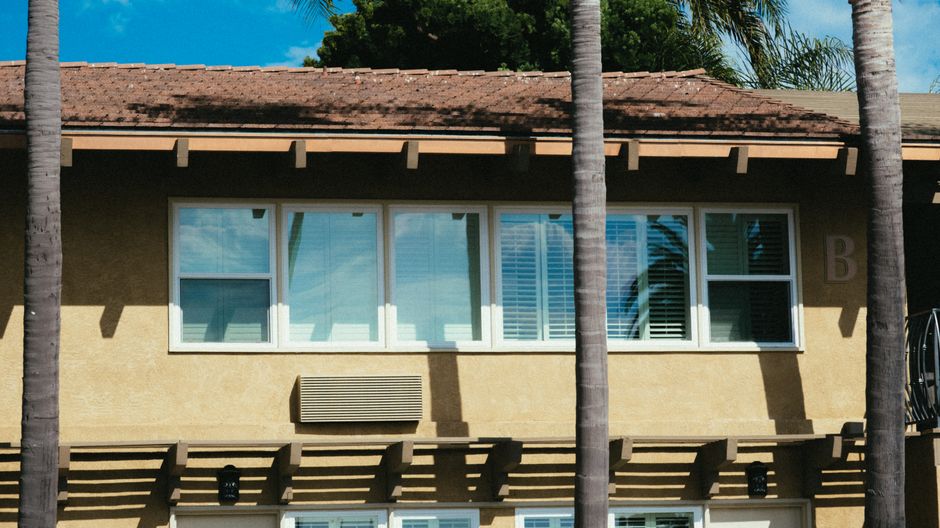
Four hours of direct afternoon sun on a west wall, a hundred days a year, adds up to four hundred hours of load on the same piece of glass. That is a heavier load than the arithmetic behind window installation riverside donny most uses for a shaded wall, and it explains why the glass package matters more in Riverside, CA than the frame color or the grid pattern. A window facing the setting sun and a window on the north side are not the same product.
What a low e coating does
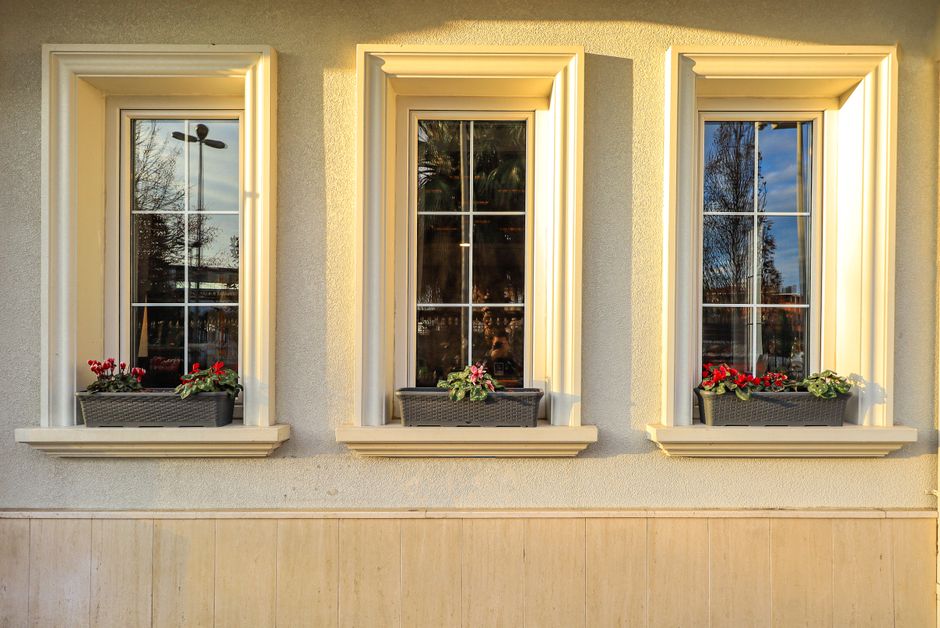
A low e coating is a layer of metal oxide thinner than a hair, laid on one surface of the glass inside the sealed unit. It reflects heat while letting most visible light through. Summer sun that would pass straight into the room is turned back out, and winter warmth that would leak outward stays in. In Riverside the summer job is the bigger one.
Reading the numbers on the label

Two figures matter on a hot wall. The shgc, short for solar heat gain coefficient, tells how much of the sun's heat gets through. Lower is cooler. The u factor tells how fast heat moves through the whole unit by conduction, and lower is better there too. Picking a window by the glass label rather than by the brochure photo keeps these two numbers in front of the buyer.
Coating position and glass count
A double pane unit with the coating on the second surface handles hot climates well. A triple pane unit adds weight and mostly helps in cold places, so it seldom earns its keep in the Inland Empire. Argon fill between the panes slows heat movement a little, and a warm edge spacer cuts the cold bridge around the rim, which also cuts condensation on mild winter mornings.
Different glass on different walls
West and south openings take the lowest shgc. A north window can use a clearer coating and let in more daylight. Mixing glass across a house is normal, but mixing it within one elevation shows from the street, so the choice is made wall by wall, not window by window.
Seal failure and the fogged look
Insulated glass in constant sun cycles hard between a cold night and a hot afternoon. After years of that the edge seal can open, and the unit shows a milky film or water spots inside the glass. Seal failure cannot be cleaned out. It means the unit needs replacing, and it is more common on dark frames that soak up heat.