Flashing a window before a winter storm in Riverside
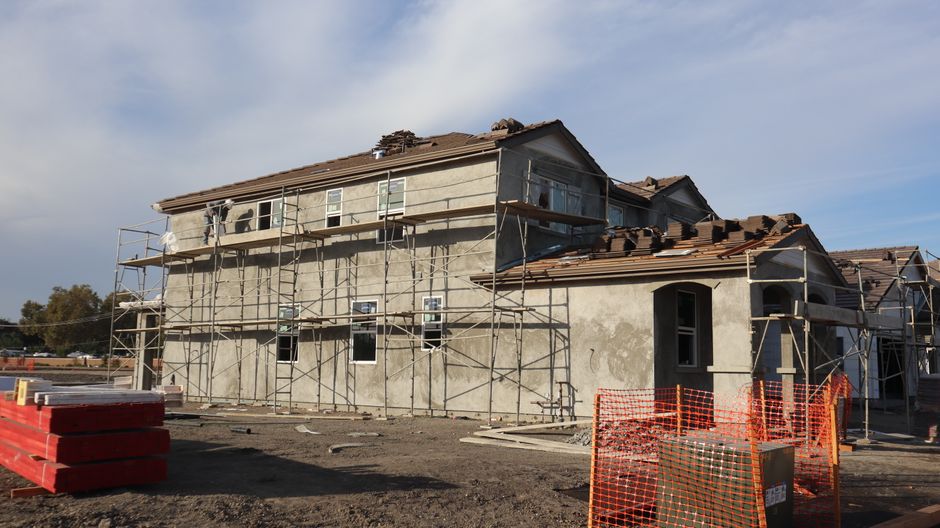
Flashing goes on from the bottom up, so each layer sheds water over the one beneath it. The running record window installation riverside donny most holds shows that most leaks trace to a single step done out of order, usually at the sill. Riverside, CA gets few storms, but when a winter front does come through, a window installation that skipped the sill pan is the one that stains the drywall.
Why the sill comes first

The sill is where water ends up. Anything that gets past the glass, through a corner or around a screw collects at the bottom of the opening and has to be sent back outside. A sill pan, either a formed plastic piece or a folded strip of self-adhesive membrane, catches that water and tilts it toward the wall face. Without one, the water soaks the plate.
The order of the tape
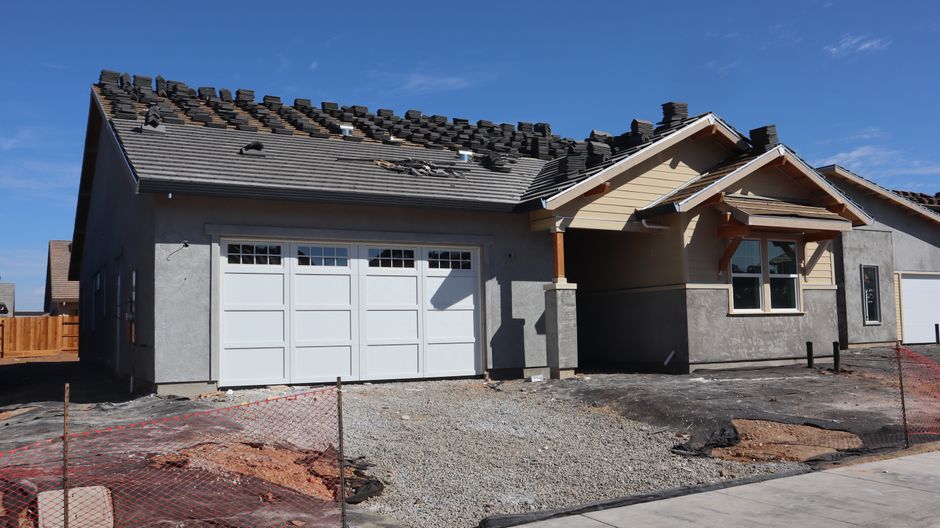
After the sill pan, the jamb strips go on, lapping over the pan edge. Then the window is set and fastened through the nailing fin, and the fin is taped with the sides first and the head last. The head strip laps over the side strips, so water running down the wall falls onto tape that points outward at every joint. A strip applied in the wrong order will look neat and leak steadily.
Where stucco fits in
On a retrofit insert nothing is taped to the wall, so the seal is a bead of sealant around the frame plus the old frame's own flashing. On a stucco house that bead is the only barrier at the outside edge. It has to be continuous and tooled into the gap, and the weep slots on the frame must stay open. A sealed weep slot traps water in the track.
Working around a storm
Winter work in Riverside means watching the sky. Openings get closed the same day, and a half finished flashing job never sits overnight. If a front moves in with the wall open, the crew tapes poly across the opening and finishes in the dry. Rain after the window is set but before the sealant skins over washes out the bead.
Testing the install
A hose test shows leaks before a storm does. Start low, water the sill area for several minutes, then work upward, and check the interior sill and trim for dampness. A good install stays dry on the first pass. A flashing mistake shows up as a damp line on the drywall under a casement or a double hung that looked fine the day it went in.